Self-Defense for Women: How to Fight Off an Attacker Without Size or Strength
July 30, 2026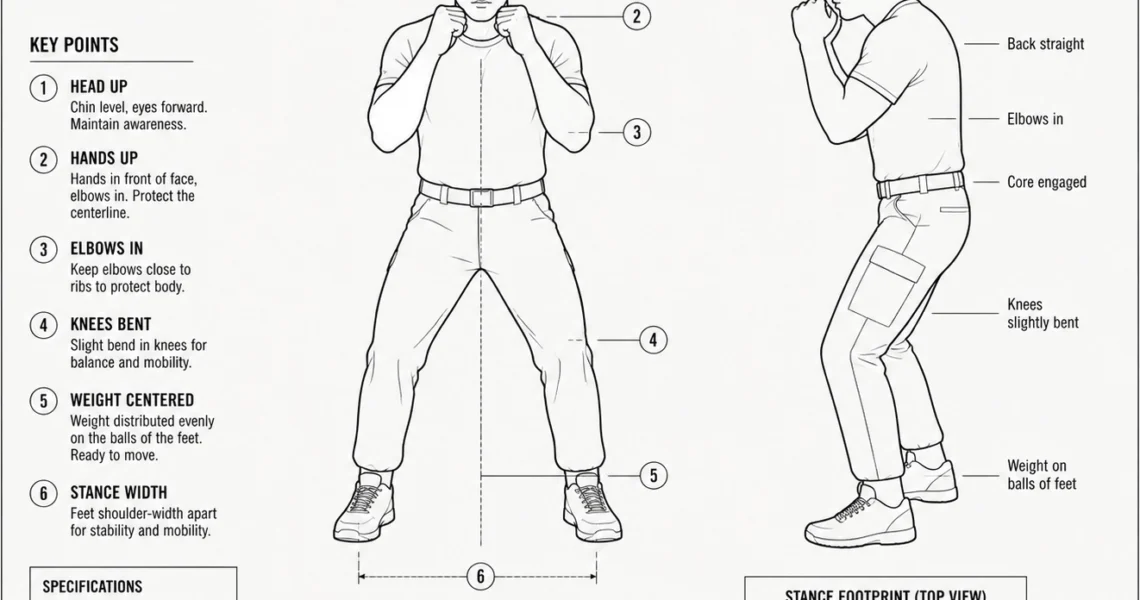
When it comes to tactical self defense miami, preparation is everything.
Many women believe that surviving a physical confrontation requires immense physical strength, a towering height, or years of dedicated martial arts training. This dangerous misconception leaves far too many individuals feeling helpless when facing a larger, heavier opponent. In reality, practical womens self defense is not about matching an aggressive attacker muscle-for-muscle; it is about leveraging core bio-mechanics, targeting non-negotiable anatomical vulnerabilities, and taking command of physical and mental boundary control.
In the real world of street confrontations, academic point-fighting competitions and cooperative gym sparring fall drastically short. If your survival strategy relies on upper-body bench-press strength or intricate joint locks that demand a 200-pound frame to generate force, you are gambling with your safety. Authentic personal safety requires techniques engineered specifically to maximize leverage, enabling a smaller defender to overwhelm a larger attacker swiftly and decisively.
The Foundation of Real-World Womens Self Defense
To understand effective physical protection, one must first dismantle the illusion created by modern sports martial arts. In a controlled ring, fighters are separated by weight classes, governed by rules, monitored by referees, and matched in dynamic combat against opponents who play by the same guidelines. Street violence features none of these luxuries. Attackers rarely choose targets who appear stronger or larger than themselves; they choose individuals they perceive as vulnerable, distracted, or easily overpowered.
Because of this asymmetric dynamic, true womens self defense must discard fancy high kicks, intricate multi-step combinations, and complex submission holds. Under the extreme physiological stress of a real-life attack, human body chemistry changes instantly. The nervous system floods with adrenaline, heart rates spike, gross motor skills take over, and fine motor precision vanishes. If a technique requires surgical alignment or delicate timing to execute, it will fail when panic sets in.
Instead, functional self-protection centers on high-probability, instinctual actions. By focusing on gross motor movements that utilize the body’s largest muscle groups—such as driving forward through the hips and legs—a smaller individual can generate devastating kinetic energy. When this force is directed at high-vulnerability targets on an aggressor’s body, physical size differences quickly become irrelevant.
Biomechanical Leverage: Overcoming Physical Disadvantages in Womens Self Defense
How does a 120-pound person generate sufficient force to neutralize a 220-pound aggressor? The answer lies in physics, leverage, and body weight transfer rather than muscular power. When executing any defensive maneuver, relying solely on arm or shoulder power puts a smaller defender at an immediate structural disadvantage. However, when you lock your core, align your skeleton, and drive through the ground, you deliver the combined mass of your entire body into a single point of impact.
A core element taught across advanced tactical systems at Educated Savages is the concept of mechanical alignment. Consider a standard palm-heel strike versus a closed-fist punch. Punching a heavy attacker with a closed fist carries a high probability of fracturing the delicate bones in your hand—an injury known as a boxer’s fracture. Conversely, striking with the broad, dense base of the palm aligns the bones of the forearm, elbow, and shoulder directly into the spine and hips, creating a solid kinetic column capable of transmitting immense shock waves into a target without risking hand injury.

By integrating proper footwork and body momentum into your womens self defense strategy, you convert structural alignment into destructive rotational force. Whether delivering an elbow strike, a knee burst, or a frame-and-slip escape, driving your hips forward ensures that your attacker absorbs your full body mass rather than just arm strength.
High-Impact Targets for Practical Womens Self Defense
In any life-threatening situation, effective womens self defense targets areas of the human body that cannot be strengthened through weightlifting or exercise. A 250-pound powerlifter cannot build muscle over his eyes, build armor around his throat, or strengthen his knees against lateral hyperextension. Recognizing these natural physiological vulnerabilities gives any defender the ultimate shortcut to neutralizing violence.
- The Eyes: Disruption to the eyes causes immediate involuntary tearing, intense pain, and disorientation. Raking, gouging, or striking the eyes instantly disrupts an attacker’s ability to see, balance, and maintain structural control.
- The Throat and Airway: Strikes targeted at the soft tissues of the throat disrupt respiration and induce acute panic reactions. Even minor trauma to the trachea forces an aggressor to retreat and grasp for air.
- The Groin and Pelvic Region: While some attackers may attempt to guard this region, a forceful direct blow or knee drive disrupts stability, forces the upper body forward into striking range, and inflicts severe physiological trauma.
- The Knees and Lower Base: The human knee is designed primarily for forward and backward movement. Direct stomps, side kicks, or oblique kicks applied to the front or sides of an attacker’s knee joint cause structural breakdown, destroying their mobility and capability to give chase.
Understanding these critical targets transforms womens self defense from an unwinnable strength contest into a precise application of targeted force. When an attacker is blinded, unable to breathe, or incapable of standing on a damaged knee, their strength advantage becomes completely unusable.
Situational Awareness and Prevention in Womens Self Defense
While physical striking skills are essential emergency fallbacks, true personal protection begins long before physical contact occurs. The vast majority of dangerous physical encounters are preceded by non-verbal cues, boundary testing, and environmental setups. Developing heightened situational awareness is the absolute most effective component of comprehensive womens self defense.
Attackers usually conduct a rapid subconscious risk-benefit analysis before selecting a target. They look for individuals who are pre-occupied, looking down at smart devices, displaying hesitant body posture, or isolated from help. By adopting a confident, aware posture—keeping your head elevated, maintaining active visual scanning, and moving with clear purpose—you significantly alter that risk dynamic, often forcing potential aggressors to abandon their attempts altogether.
For more insights into integrating effective threat assessment and personal safety principles into your daily routine, explore our comprehensive guide on tactical movement and awareness strategies. Expanding your knowledge on proactive threat identification reduces your vulnerability far more than physical techniques alone.
Additionally, according to Wikipedia’s detailed analysis of self-defense, early recognition of aggressive behavior paired with immediate clear boundary enforcement remains the leading factor in avoiding severe violence. Establishing physical space, maintaining an open-palm warning stance, and speaking in a firm, assertive voice alerts potential onlookers while mentally preparing you to act decisively if boundaries are breached.
Choosing the Right Womens Self Defense Training Program
Not all self-defense programs are created equal. Many traditional martial arts schools offer courses focused on compliance, memorized routines, or choreographed counter-attacks. Unfortunately, these passive methods fail dramatically under real-world conditions where violence is fast, dynamic, messy, and unpredictable.
When searching for a high-quality, reality-based program in womens self defense, prioritize courses that emphasize the following core attributes:
- Adrenaline and Pressure Testing: Training must introduce controlled physical stress so students learn how to execute basic techniques under realistic adrenaline surges.
- Simple, Gross-Motor Skill Sets: Avoid programs that teach complex joint locks, multi-point pressure strikes, or high-coordination routines. Stick to foundational strikes, escapes, and positioning.
- Scenario-Based Decision Making: Look for instruction that teaches verbal de-escalation, boundary setting, environment evaluation, and tactical escapes alongside physical counter-measures.
- Verbal and Mental Empowerment: The physical techniques of womens self defense must be backed by a strong psychological commitment to personal survival and unyielding resilience.
Conclusion: Empowering Yourself Through Tactical Knowledge
Physical size and raw muscle power will never dictate the outcome of a life-or-death encounter when proper strategy, leverage, and targeting are applied. By mastering simple, highly aggressive gross-motor strikes focused on an attacker’s absolute weakest anatomical targets, you level the playing field entirely.
Remember, practical womens self defense is not about entering a prolonged fight; it is about creating a violent disruption, shattering the attacker’s window of opportunity, and instantly securing your route to escape. Take control of your physical safety today by committing to reality-based situational awareness, relentless mental preparation, and practical tactical skills.
Compare our training: Combatives vs MMA | CQC vs BJJ
FAQ
Q: What does tactical self defense miami entail?
A: It is real-world survival training and stress inoculation.
Q: How does this differ from sport MMA?
A: We focus on practical combatives rather than ring rules.
Q: Why choose this over BJJ?
A: Our focus is strictly on real world CQC and multi-threat scenarios.