The Fight You Avoid Is the One You Win: Verbal De-Escalation and Pre-Attack Indicators for Real Life
August 3, 2026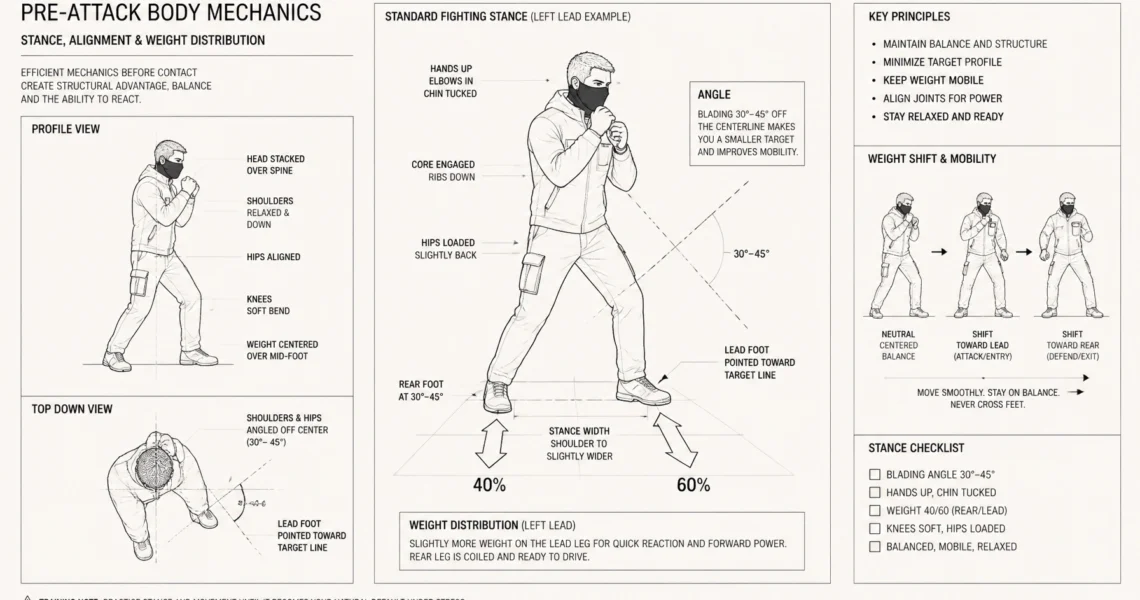
When it comes to tactical self defense miami, preparation is everything.
Ever wonder why so many tough guys end up in hospital beds or courtrooms over absolute nonsense? Let’s be honest: real-world self-defense isn’t about scoring points on a canvas or proving your manhood in a crowded gas station parking lot. It’s about survival, avoiding catastrophic physical injury, and dodging the massive legal fallout that follows the moment fists fly. Mastering verbal de-escalation is your primary weapon to prevent a bad situation from turning fatal before hands are ever raised.
In high-stakes conflict, your ego is your biggest liability. True protection comes from sharp environmental awareness, recognizing human pre-attack indicators early, and applying tactical soft skills. When you master verbal de-escalation, you retain complete control over the narrative, turning potentially violent confrontations into non-events.
The Reality of Real-World Violence vs. Self-Defense Myths
Pop culture and movie choreography have conditioned people to believe that real violent encounters involve honorable exchanges, back-and-forth striking, and clear victors. In reality, real-world violence is chaotic, dirty, and unpredictable. Concrete ground, hidden weapons, multiple attackers, and aggressive bystanders mean that even if you “win” a physical fight, you often lose in every other metric.
A single fall on pavement can result in traumatic brain injury or death. Worse yet, if you engage when you could have walked away, the legal system will scrutinize your actions frame by frame. Criminal defense fees, civil lawsuits, and potential prison time are common consequences of ego-driven altercations. At Educated Savages, our core philosophy stresses that the ultimate victory is preserving your life and freedom by avoiding the physical engagement entirely.
By understanding that violence carries severe physical and legal consequences, you shift your tactical mindset. Prevention becomes your primary defense, while physical striking remains a strict contingency plan reserved for immediate, unavoidable threats.

Spotting Trouble Before It Starts: Pre-Attack Indicators
Physical attacks rarely happen out of nowhere. Predators and aggressive individuals almost always display subtle non-verbal cues before launching an assault. Spotting these pre-attack indicators early gives you the crucial time window required to apply effective verbal de-escalation or create physical distance.
According to research on human behavior and aggression documented by organizations like the Wikipedia De-escalation Framework, human body language shifts dramatically under stress and predatory intent. Pay close attention to these key indicators:
- Target Glance: The aggressor repeatedly looks at specific target areas on your body (chin, throat, solar plexus) or glances around the room to look for witnesses or exits.
- Grooming Cues and Hands: Unconscious touching of the face, adjusting clothing, or reaching into pockets. If you cannot see their hands, treat that as an immediate threat.
- Stance Shift and Flanking: Blading the body into an athletic posture, lowering the center of gravity, or attempting to circle behind you to cut off your escape routes.
- Facial Clues and Verbal Escalation: Jaws clenching, flared nostrils, fixed stare (or intentional eye contact avoidance), and rapid volume spikes or sudden quietness.
Recognizing these indicators within seconds transitions you from passive observer to active defender. You buy vital reaction time to put distance between yourself and the threat while choosing the right strategy for conflict resolution.
Mastering Verbal De-Escalation to Avoid the Fight
When an aggressive individual closes distance and begins projecting hostile intent, your response dictates whether the situation diffuses or explodes into violence. Verbal de-escalation is the conscious practice of using speech, vocal tone, body language, and spatial awareness to reduce emotional arousal in an opponent.
When adrenaline surges during a confrontation, your brain triggers a fight-or-flight response. Your heart rate skyrockets, peripheral vision narrows, and complex motor skills degrade. Applying structured verbal de-escalation helps ground your own nervous system while regulating the dynamic of the room.
1. Control Your Body Language (The Tactical Fence)
Never match an aggressor’s hostile posture. Do not puff out your chest, cross your arms, or ball your hands into fists. Instead, adopt what tactical practitioners call the “Tactical Fence” or “Interview Stance”:
- Bring your hands up open-palmed near chest level. This subtly protects your head and centerline while non-verbally communicating submission or peace.
- Keep your feet shoulder-width apart, slightly bladed, keeping a stable base in case you need to absorb or defend against a sudden rush.
- Maintain a safe distance—ideally outside their immediate reaching distance.
2. Regulate Tone, Pitch, and Cadence
Matching an angry person’s screaming volume only escalates their agitation. Instead, use a calm, low, and deliberate vocal pitch. Speak clearly and slowly. By lowering your volume, you force the aggressor to quiet down unconsciously to process what you are saying.
3. De-Center Ego and Provide an Exit Ramp
Most street arguments stem from perceived disrespect. If you challenge their ego directly, you back them into an emotional corner where violence becomes their only option to save face. Effective verbal de-escalation provides the aggressor with a clear, honorable exit ramp.
Use phrases like:
- “I don’t want any trouble, man. I’m just trying to leave.”
- “My mistake, I didn’t see you there. That’s on me.”
- “We’re good here, no problem at all.”
Taking the blame in a meaningless interaction costs you nothing, but saves you thousands in legal fees and hospital visits. Smart verbal de-escalation uses Tactical Empathy to neutralize hostility before it boils over.
Practical Steps for Immediate Conflict Management
When dynamic pressure rises, having a clear mental checklist keeps your decision-making sharp. Integrate these core steps into your situational awareness protocols:
- Identify distance: Maintain at least two arms’ lengths between you and the potential aggressor. Distance equals reaction time.
- Assess exits: Always scan for immediate escape routes while communicating.
- Use clear boundaries: Combine firm verbal commands with non-threatening posture. Say: “Back up, please. Give me space.”
- Avoid escalation traps: Never use insults, sarcasm, or dismissive hand gestures that incite anger.
- Commit to action: If verbal de-escalation is clearly failing and an attack is imminent, immediately shift to escape or defensive countermeasures.
When Verbal De-Escalation Fails: Knowing Your Threshold
It is vital to recognize that verbal de-escalation is a tool, not a guarantee. Dedicated predators, individuals under the influence of narcotics, or people experiencing severe psychiatric crises may be completely unattached to logic or reason. Talking will not work on someone who has already decided to assault you.
You must establish clear mental trigger lines. If an individual ignores your requests for space, continues closing distance rapidly, displays a weapon, or shows definitive pre-attack indicators, you must abandon verbal de-escalation immediately. At that point, your focus must shift instantly to physical defense, creating barriers, or sprinting to safety.
Enrolling in practical defense training, such as situational awareness training in Miami, bridges the gap between verbal tactics and physical readiness. Knowing how to fight gives you the confidence to de-escalate effectively, because you aren’t acting out of blind fear.
The Mindset of the Educated Savage
True self-defense mastery is holistic. It combines sharp situational awareness, emotional control, precise communication, and devastating physical capability when all else fails. Walking away from an unnecessary fight isn’t cowardice—it is the highest form of tactical discipline.
By mastering verbal de-escalation and understanding pre-attack indicators, you protect your body, your loved ones, your freedom, and your hard-earned reputation. Train your mind to spot trouble early, condition your tongue to defuse explosive tempers, and keep your physical skills ready for the threats you cannot avoid.
Compare our training: Combatives vs MMA | CQC vs BJJ
FAQ
Q: What does tactical self defense miami entail?
A: It is real-world survival training and stress inoculation.
Q: How does this differ from sport MMA?
A: We focus on practical combatives rather than ring rules.
Q: Why choose this over BJJ?
A: Our focus is strictly on real world CQC and multi-threat scenarios.